Katori Cutting Board Reviews and Complaints: What Buyers Should Know
This guide answers what Katori titanium cutting board reviews and complaints actually say, and how much weight to give them. The Katori customer comments available to this site come from supplied promotional materials, which makes it hard to tell what buyers in general think. So this guide focuses on how to read that kind of review material, where to look for independent feedback, and which concerns are worth weighing before you buy.
In short: the supplied customer comments, which are promotional and unverified, are mostly positive, with recurring notes about board size and the board sliding on smooth counters. Price, shipping, and return terms are set by the merchant and should be checked at checkout. For a product overview, see our full Katori cutting board review.
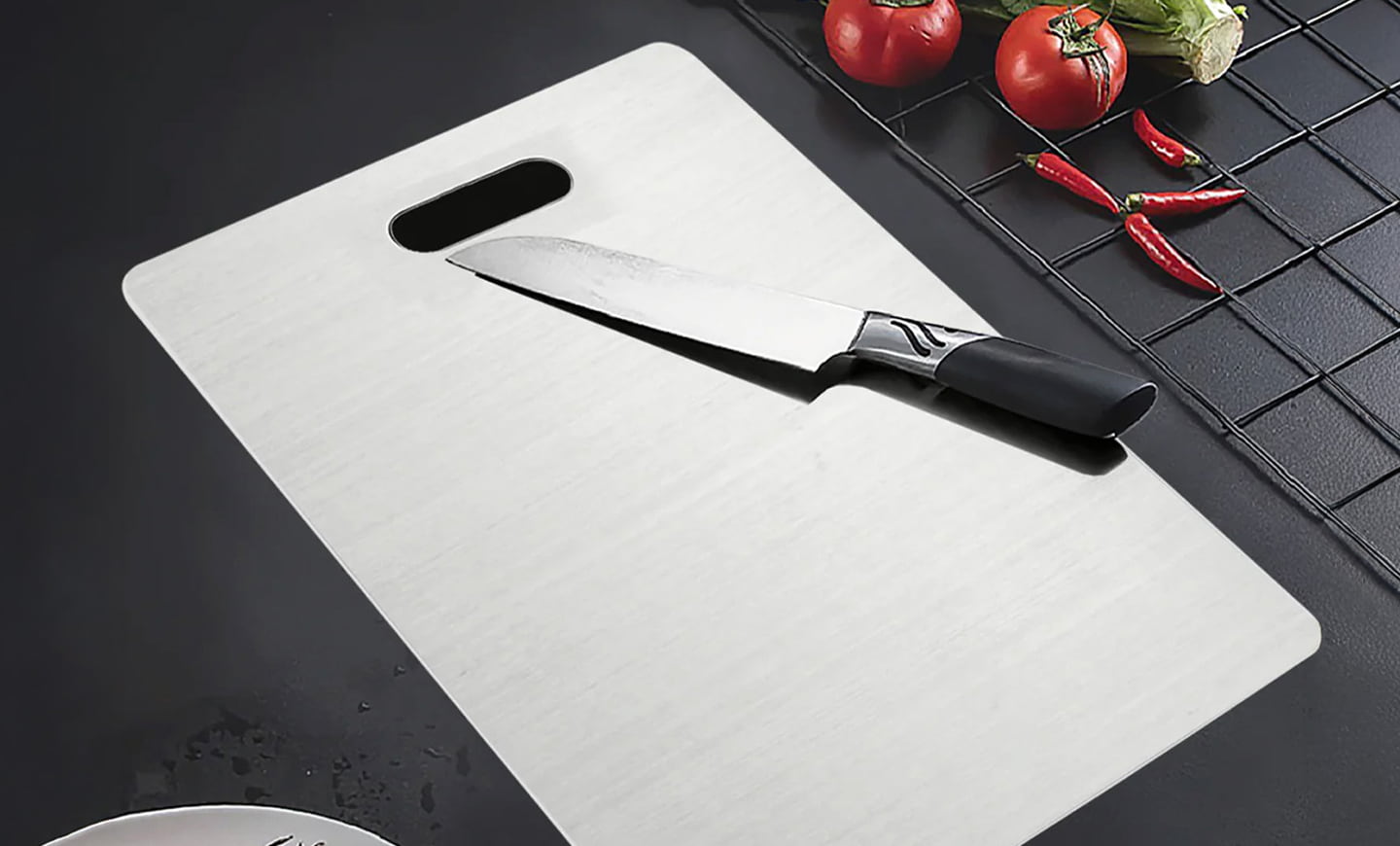
What Katori Reviews Tend to Highlight
Positive Katori reviews in the supplied materials tend to repeat the same themes that appear in the product's marketing:
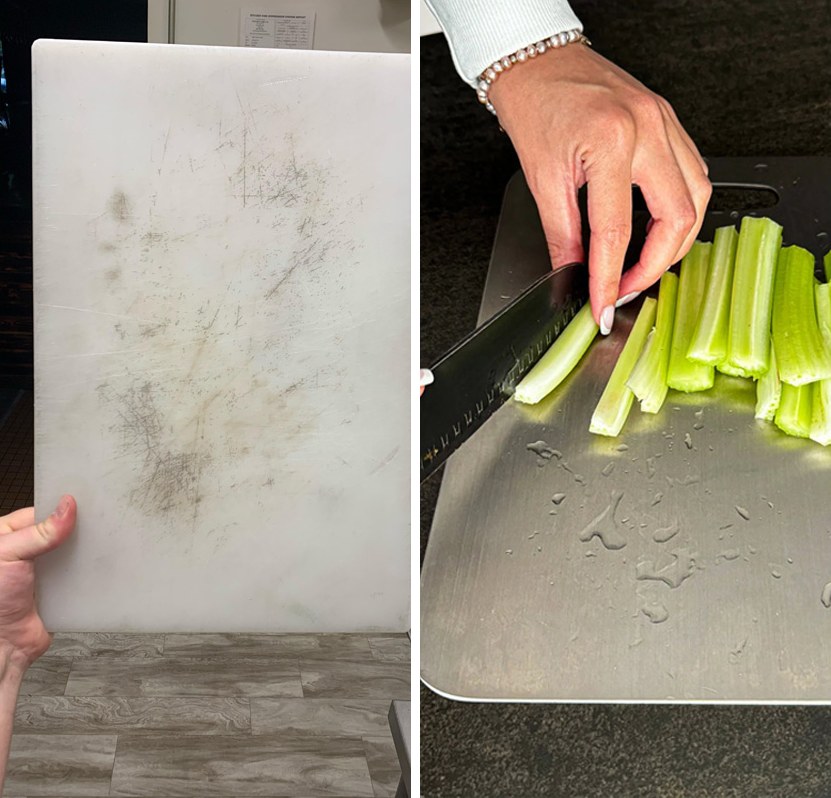
- Easy cleanup and rinsing compared with older, scratched plastic boards.
- The look of a metal board on the counter.
- Moving away from a plastic cutting surface.
Katori's marketing also describes the board as non-porous and knife-friendly. Those are manufacturer claims. This website has not independently tested them, so treat them as statements to evaluate rather than established facts.
What Complaints or Concerns Should You Consider?
The concerns that actually appear in the supplied comments are narrow, and each one can be checked before you order:
Size
One supplied comment says the board was smaller than expected. Compare the listed dimensions for the option you choose with the space where you prep food, and note whether more than one size is offered.
Sliding on smooth counters
Two supplied comments mention the board moving on slick countertops, and one suggests putting something underneath it. Check whether the listing mentions grip features, and plan on a damp towel or non-slip mat if it doesn't.
Price relative to the board you have now
The supplied comments don't discuss price. Compare Katori's checkout total, including shipping, with what you would pay to replace your current board with wood or plastic; the difference is what you are paying for the change of material.
Two topics are covered in their own guides so they aren't repeated here: knife-edge wear, in does the Katori cutting board dull knives, and complaints about delivery, refunds, or the seller itself, in our Katori legitimacy checklist.
What the Supplied Customer Feedback Says
The excerpts below come from customer comments in the supplied promotional materials. This website has not independently verified the reviewers, their purchases, or their experiences. They are shown here only because they include the practical concerns raised in that material.
“My only gripe is that it’s a bit smaller than I expected; I might need to grab the larger size.”
“be aware-it’s not non-slip, so you might want to put something underneath it if your counters are smooth.”
“My only complaint is that it doesn’t have grip pads, so it can slide a bit on slick countertops.”
Overall, the supplied comments are positive. The recurring concerns are board size and sliding on smooth surfaces, and one commenter suggests putting something underneath the board. Because the comments are chosen for promotional use, they shouldn't be read as a representative sample of all buyers.
How to Spot Promotional or Unverified Testimonials
Testimonials on ad landing pages aren't necessarily false, but they are selected to sell. These signs suggest a comment should carry less weight:
- Relative dates only. "2 days ago" with no calendar date never ages, so you can't tell when the comment was written.
- No way to verify the person. A first and last name with no profile, purchase label, or platform behind it can't be checked.
- Uniformly perfect ratings. Real review sets usually include a spread of scores and some detailed criticism.
- Marketing phrases repeated. When a "customer" uses the same wording as the ad copy, such as exact material percentages, it may echo the marketing rather than independent experience.
- Comparisons with no detail. Claims like "my old board ruined my knife" without saying which board or knife are hard to learn from.
For transparency, the supplied Katori comments on this site show some of these traits: they arrived with relative dates rather than calendar dates, and the commenters' identities and purchases can't be verified. That's why we present them as promotional material rather than evidence.
How to Read Complaints on Independent Review Sites
This website hasn't compiled or verified Katori feedback from other sites, so it can't tell you what those reviews say. If you want feedback that wasn't selected by the seller, these are the usual places to look yourself:
- Independent review platforms such as Trustpilot, where you can check whether the business responds to complaints.
- The Better Business Bureau (BBB), for complaints about U.S. order handling, if the seller has a listing there.
- Marketplace listings, where reviews may carry a verified-purchase label. Confirm the listing is for the same product and seller.
- Discussion forums such as Reddit cooking communities, where owners sometimes describe longer-term use. Treat single posts as anecdotes.
Once you find reviews, read them this way:
- Look for patterns, not single stories. One angry review says little; the same specific issue across many reviews says more.
- Sort by date. A cluster of complaints in one period may reflect a past fulfillment problem rather than the current situation, or the reverse.
- Separate product from seller. "It scratches" is product feedback; "no refund yet" is a seller issue. Weigh each against what matters to you.
- Check for seller responses. Whether complaints get answered, and resolved, tells you something about support.
- Prefer verified-purchase labels where a platform offers them, and favor reviews that describe how and how long the board was used.
Turning Reviews Into a Decision
Once you've sorted the reviews, write down the two or three concerns that came up most often and matter to you, such as size, sliding, or a refund delay. Then check each one against the merchant's own listing and policies before ordering. If a concern can't be answered there, that tells you something too.
For which kind of buyer Katori suits, see our Katori pros and cons guide. For seller and lookalike-site checks, see the Katori legitimacy checklist.
Bottom Line
Katori reviews in the supplied materials are largely positive, with practical complaints about size and sliding. Those comments are promotional and unverified, so weigh them alongside independent sources and your own priorities.
Before buying, confirm the final price, dimensions, shipping, and return terms on the merchant's site. If those check out and a metal board suits how you cook, Katori may be worth considering.
FAQ
Are Katori cutting board reviews trustworthy?
Treat them with care. Comments shown on promotional pages are selected by the seller or its marketers, and this website has not verified the reviewers or their purchases. Look for patterns across several sources rather than relying on any single review.
What are the most common Katori complaints?
In the supplied customer comments, the recurring concerns are board size and the board sliding on smooth counters. Shoppers more generally should also weigh price, shipping, and return terms, which are set by the merchant and can change.
Is a metal cutting board right for everyone?
No. Some cooks prefer the feel and sound of wood or plastic under a knife. If you are unsure, consider how you cook, which knives you use, and whether you are comfortable with the return terms before ordering.
Where should I check Katori's price and return policy?
Check the merchant's official checkout page. Pricing, bundles, shipping, and refund terms can change, so the details shown at checkout are the ones that apply to your order.
This article is based on Katori's supplied product materials, including the promotional customer comments quoted above; the writer has not personally tested Katori. How we write these guides.
Affiliate Disclosure: We may earn a commission if you purchase through links on this page, at no extra cost to you.