Katori Titanium Cutting Board Pros and Cons
Short answer: The Katori titanium cutting board may appeal to cooks who want a non-plastic cutting surface and the straightforward cleanup described in Katori's supplied product materials. The trade-offs to weigh are a firm cutting feel, possible noise and slipping on smooth counters, uncertain knife-edge wear, and whether the size and final price fit your kitchen. This website has not hands-on tested Katori or independently verified its performance claims; the pros and cons below separate the marketed advantages from practical buying considerations.
The useful question isn't whether titanium is universally better than wood or plastic. It's whether this board solves a problem you actually have without introducing a drawback that matters more. Our complete Katori buyer's guide covers the broader product overview; this page focuses on those trade-offs.
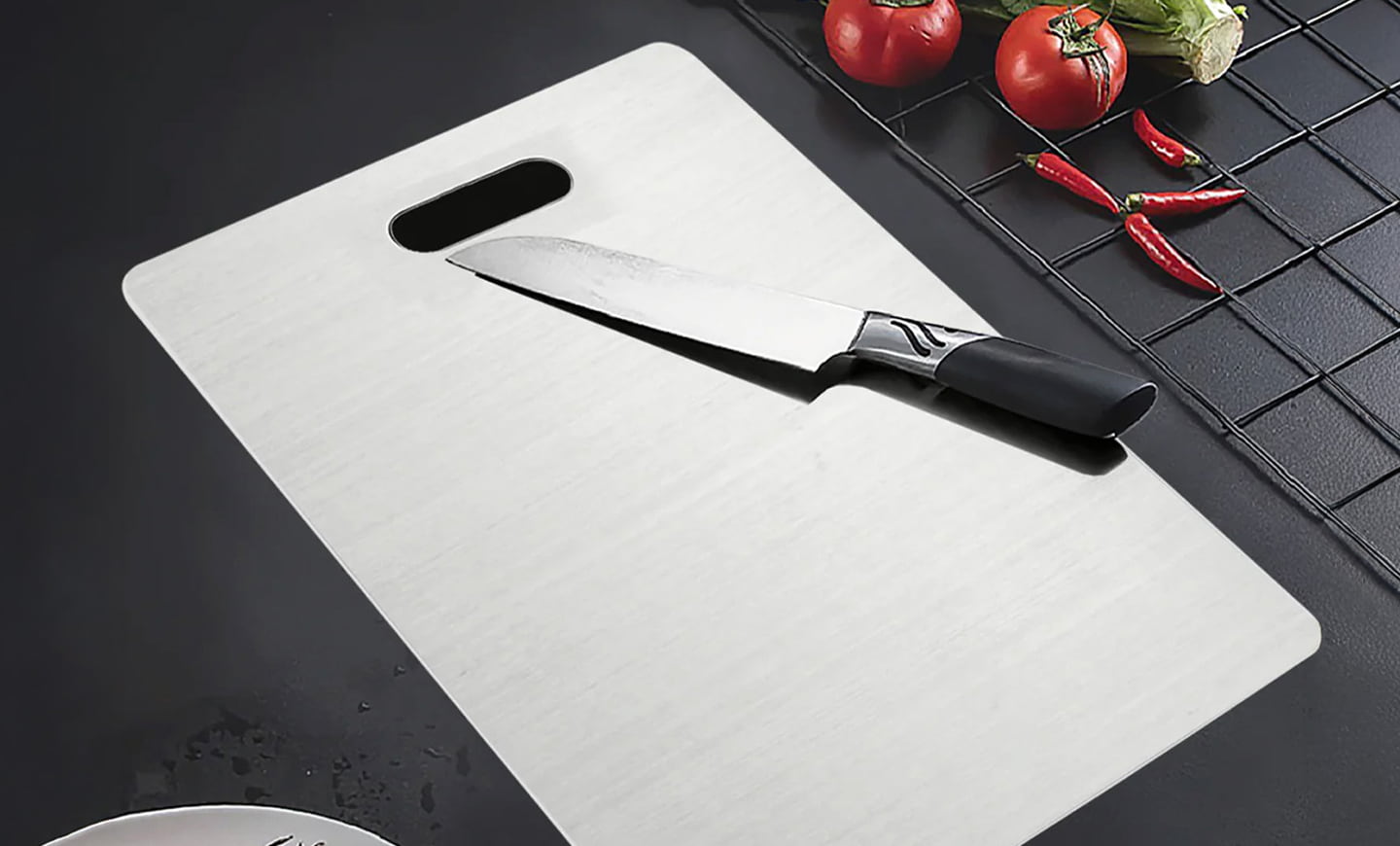
Katori Pros and Cons at a Glance
These are potential advantages and trade-offs, not results from a product test. Manufacturer descriptions don't establish how the board will perform in your kitchen.
| Potential pro | Con or question to weigh | How to check before buying |
|---|---|---|
| Marketed as a titanium alternative to a plastic cutting surface. | A different material also means a different feel; it isn't automatically an upgrade for every task. | Ask the seller what the cutting surface and any edges or feet are made of, and request it in writing. |
| Katori's materials describe easy rinsing and a smooth, non-porous surface. | Normal washing is still necessary. Confirm the actual care instructions. | Find the care instructions on the listing, including whether the board is dishwasher-safe. |
| The supplied materials emphasize a slim design. | Check dimensions and thickness rather than assuming it fits your prep or storage space. | Note the listed size for the option you pick and measure your counter and storage space. |
| A firm surface may suit cooks who prefer that feel. | Metal can feel and sound less forgiving than wood; knife wear depends on the blade and technique. | Confirm whether a used board can be returned if the feel doesn't suit you. |
| May suit someone specifically seeking a metal board. | Sliding, total cost, and return conditions can outweigh the material preference. | Check for grip features, and compare the checkout total with marketplace listings. |
Where the Claimed Advantages Could Matter
Replacing a worn board without choosing another plastic surface
Katori's supplied product materials position its titanium surface as an alternative to plastic. If that material choice is your priority, it gives you a relevant option to compare with wood and other boards. It does not, by itself, establish a health benefit or tell you how long the board will last.
Cleanup that fits your routine
The manufacturer describes the surface as easy to rinse and resistant to retaining odors. Treat those as claims, not a promise of effortless maintenance. The practical benefit would be a board you are willing to wash after each task; confirm whether its care instructions match how you normally clean your kitchen tools.
A design that works in your available space
A slim design can be attractive if you dislike a bulky board on the counter. But thinness and usable cutting area are different things. Measure the spot where you prep food and the place where you plan to store the board, then compare both with the seller's specifications.
Drawbacks That Can Change the Decision
Firm feel and cutting noise
A metal cutting surface offers less give than wood or softer synthetic boards. If you enjoy quiet prep or use a forceful chopping motion, that difference may matter more than the appearance of the board. Noise also depends on the knife, ingredients, counter, and what sits beneath the board; this site has not measured Katori's sound level.
Stability on your counter
Supplied promotional comments mention sliding on smooth countertops. Those comments are unverified, but they raise a useful question: does the version you are ordering have any anti-slip features? A suitable non-slip base may help, but don't assume a board will stay put on your particular counter. Our guide to interpreting Katori feedback explains how to weigh these comments without treating them as verified reviews.
Uncertain effect on knife edges
Katori's materials call the board knife-friendly. This site has not tested that claim. Blade steel, edge geometry, cutting technique, surface finish, and frequency of use all matter; the material name alone cannot predict edge retention. If protecting a thin or delicate edge is your main concern, a softer board is the more conservative choice. See our explanation of metal boards and knife-edge wear for the underlying factors.
Price and the cost of changing your mind
Judge value by the final checkout total, not a discount headline. Include shipping, taxes, and any extras you would need. Returns also affect value: if the cutting feel doesn't suit you, a policy that excludes used items may not let you try the board and return it. Ask before buying rather than assuming a satisfaction message covers ordinary use.
Which Buyer Are You?
You want a non-plastic everyday prep board: Katori is worth comparing if its listed size and care requirements suit your routine. Make the material preference part of the decision, not a substitute for checking the details.
Your knives are the priority: keep a softer board in consideration. You don't have to replace every board with metal, and you don't need to accept uncertain edge wear just to change materials.
You cook in a small space: map out the usable cutting area, including room for ingredients waiting to be chopped. A board that stores neatly but leaves too little prep room can be a poor fit.
You are buying mainly for value: compare the total against alternatives that solve the same problem. If your current board works well and you have no strong preference for metal, there may be little reason to switch.
You are curious but unsure about the feel: ask whether a used board can be returned and what return shipping costs. Clear terms make an informed purchase easier; they don't guarantee you will like the product.
Practical Questions to Ask the Seller
- Which exact board is in this offer? Ask for dimensions, thickness, and what comes with the selected option.
- How should it be washed and supported? Request written care guidance and details about any grip features or recommended base.
- What supports the material and knife-friendly descriptions? Ask for the specifications or test information behind those claims; a marketing phrase is not a test result.
- Can it be returned after normal use? Clarify eligibility, the return address, who pays postage, and any deductions from a refund.
- What is the complete U.S. order total? Check the selected quantity, shipping charges, taxes, and optional additions before payment.
These are product-fit questions, not a declaration that the seller has been verified. For business identity, support, and checkout checks, use our Katori seller legitimacy checklist.
Bottom Line: Buy for a Specific Reason
Katori makes the most sense to consider when you specifically want a metal, non-plastic board and the merchant's details match your kitchen. Its claimed cleanup advantages are worth investigating, but they don't cancel out questions about cutting feel, stability, knife care, and value.
Pick the trade-off you can live with before choosing the product. If a quieter, softer surface or an easier return is more important to you, keep those priorities. If the current Katori offer meets your requirements, review its exact terms and choose the option that fits.
This article is based on Katori's supplied product materials and general cutting-board knowledge; the writer has not personally tested Katori. How we write these guides.
Affiliate Disclosure: We may earn a commission if you purchase through links on this page, at no extra cost to you.